
Every Grief Journey Is Unique
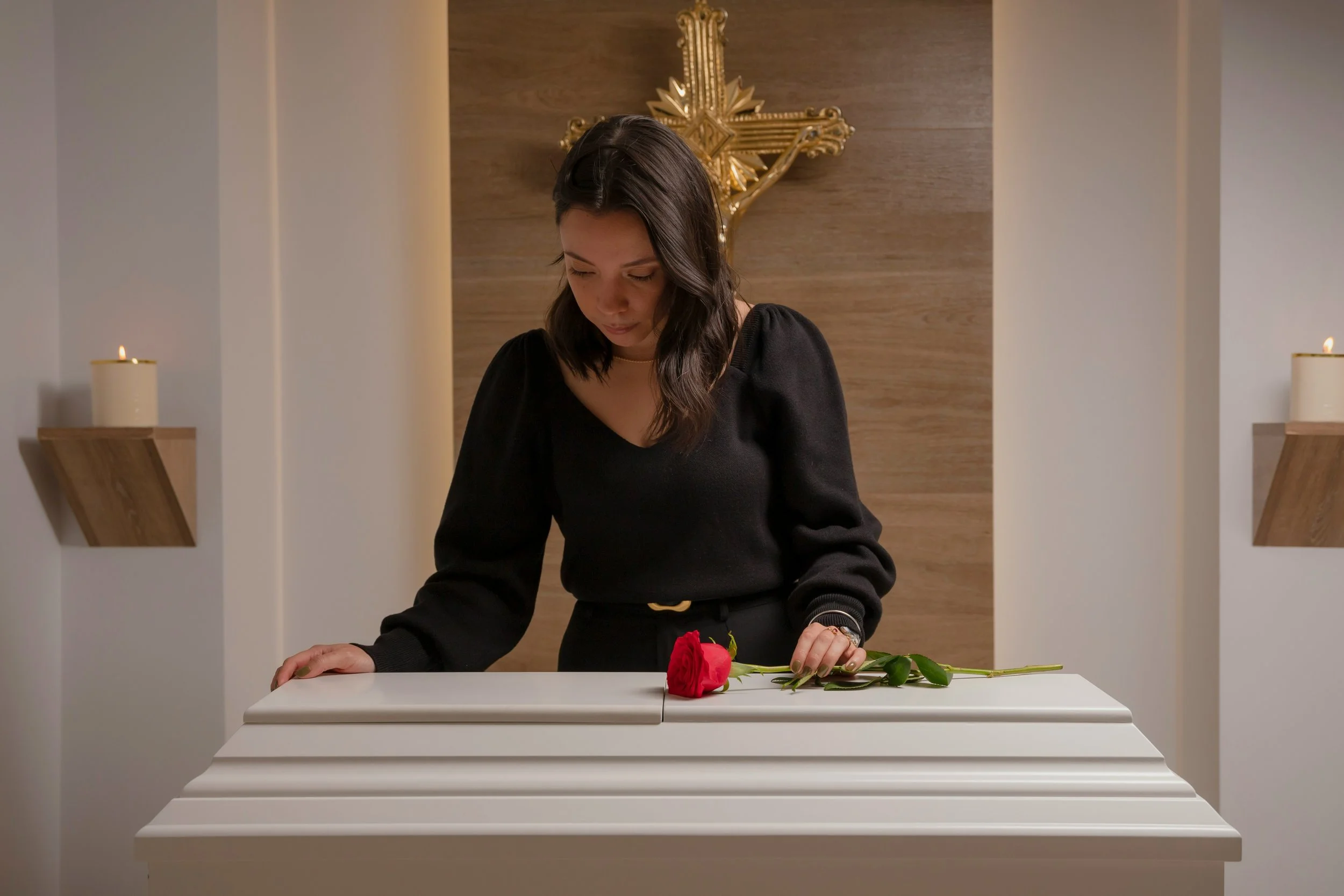
Grief is universal but there is no “normal”
Grief is one of the most personal experiences we will ever move through. No two people experience loss in exactly the same way, because no two lives, relationships, or stories are the same. The relationship you have with your father is not the same relationship your sibling had with your father, for example.
When we lose someone important to us, many different factors can shape how grief is felt, expressed, and lived.
The experience of grief may be influenced by:
The nature of the loss — whether it was expected, sudden, complicated, or came after a long illness
The relationship shared — the closeness, complexity, love, history, or unfinished moments within that connection
The circumstances surrounding the loss — including the environment, timing, and events that occurred
Multiple losses occurring together — when several changes or losses happen at once, or one after another, creating cumulative grief
Personal life experiences — including previous experiences of change, loss, resilience, and support
Social and cultural influences — the beliefs, traditions, expectations, and communities that shape how we understand and express grief
Grief does not follow a timetable and it does not ask us to move in a straight line. There are no “5 stages of grief” to follow. It unfolds in its own way and in its own time. Understanding the many influences on grief can create space for greater compassion — both for ourselves and for others.
Whether you are navigating bereavement, life transition, anticipatory grief, or supporting someone you love, there is no “right” way to grieve — only your way.